
Industry Insights & Research
Nutraceutical Knowledge & Trends
Discover expert insights, scientific advancements, and global supply chain trends in natural ingredient solutions.
Blog
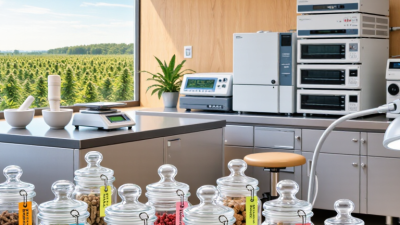
Top Standardized Plant Extracts Suppliers Worldwide
Choosing reliable suppliers matters when plant extracts enter capsules, teas, functional foods, or clinical research. Consistency begins with the raw material.
Standardized Plant Extracts are designed to deliver a defined level of selected compounds. That promise sounds simple. It is not.
A dependable supplier should explain botanical identity, growing region, extraction solvent, marker compounds, and storage conditions. Clear documentation matters as much as a polished website. Buyers should request certificates of analysis, contaminant testing, pesticide screening, and batch-to-batch results. Traceability should reach the farm, not stop at the warehouse door.
Mark Blumenthal, founder and executive director of the American Botanical Council, has said, “Herbs are not drugs, but they can have drug-like effects.” This reminder supports careful sourcing, responsible communication, and appropriate quality controls.
The leading suppliers worldwide usually combine scientific testing with practical manufacturing experience. They may use HPLC fingerprints, validated assays, microbial testing, and controlled drying procedures. These details reveal whether standardization is meaningful or merely promotional language.
However, no supplier is perfect. A strong ranking must acknowledge regional differences, changing harvest conditions, and incomplete public data. Some companies publish impressive specifications but provide limited evidence behind them. That deserves scrutiny.
This introduction explores major Standardized Plant Extracts suppliers, their technical capabilities, certifications, sourcing practices, and documentation standards. It also considers responsiveness, manufacturing scale, and transparency. The goal is not to reward the loudest brand. It is to identify suppliers that consistently support safer, more reproducible botanical products.
Read more »
 By:Ethan
- October 2, 2026
By:Ethan
- October 2, 2026

Top 10 Botanical Herbal Extract Suppliers Worldwide
Botanical Herbal Extracts appear in teas, capsules, skincare, and functional foods. Behind each finished product is a supply chain that can begin with a field, greenhouse, or forest. A supplier’s choices affect more than price. They influence plant identity, extract strength, consistency, and the records buyers can review. Details matter.
Mark Blumenthal, founder and executive director of the American Botanical Council, has emphasized, “The quality of herbal products is directly related to the quality of the raw materials used in their manufacture.” That principle offers a useful starting point for comparing suppliers. Buyers should look for clear botanical names, documented sourcing, batch-level specifications, and accessible certificates of analysis. Testing methods and quality systems matter, too. A polished catalogue alone proves little.
This Top 10 overview considers suppliers through practical lenses: product range, sourcing transparency, manufacturing capabilities, and quality documentation. It is a guide, not a certification or a guarantee of performance. Public information varies, and smaller producers may disclose less online despite careful work. That gap deserves attention. Readers should confirm current specifications, sample policies, and testing records directly with each company before making a purchasing decision. A supplier’s fit depends on the plant, extract format, intended use, and evidence the buyer needs. No single list can settle every question.
Read more »
 By:Lila
- September 27, 2026
By:Lila
- September 27, 2026
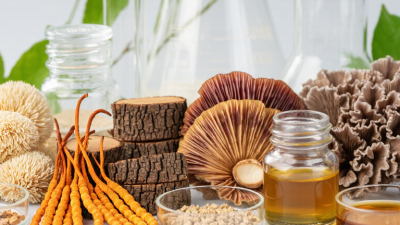
7 Best Medicinal Mushroom Extracts for Global Buyers
Medicinal Mushroom Extracts are moving from specialist shelves into global ingredient markets, wellness products, and carefully managed research programs. Buyers now face a crowded field: reishi, lion’s mane, cordyceps, chaga, turkey tail, maitake, and shiitake extracts can differ greatly in species, potency, and quality.
Mycologist Paul Stamets describes mushrooms as “miniature pharmaceutical factories,” a phrase that captures their biological complexity without promising a medical outcome. His perspective matters because responsible purchasing requires curiosity, evidence, and restraint. A polished label alone proves very little.
This guide examines seven widely traded Medicinal Mushroom Extracts for international buyers. It considers the mushroom species, extraction method, beta-glucan reporting, cultivation conditions, and available laboratory documentation. Water extracts, dual extracts, powders, and standardized concentrates may serve different commercial purposes.
The best choice is not universal.
A buyer in Germany may need different documentation than a distributor in Canada, Singapore, or Australia. Local rules can govern health claims, novel foods, supplements, contaminants, and labeling. Independent testing should check identity, heavy metals, pesticides, microbes, and unwanted adulterants. Certificates of analysis should match the actual batch, not merely a website sample.
Some comparisons remain imperfect. Research quality varies between species, suppliers, and product formats. Even “standardized” numbers can hide differences in testing methods. That is worth remembering.
For global procurement, reliability often begins with boring details: traceable farms, stable supply, clear specifications, transparent allergen statements, and responsive technical support. These practical signals may matter more than dramatic marketing language. The following seven extracts offer a grounded starting point for evaluating quality, suitability, and responsible international sourcing.
Read more »
By:Ethan
- September 22, 2026
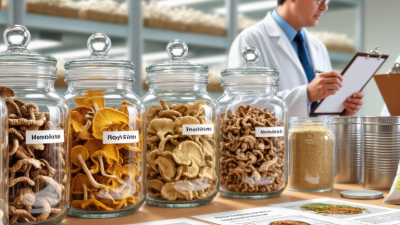
How to Source Organic Mushroom Adaptogens in Bulk?
Sourcing Organic Mushroom Adaptogens in bulk requires more than comparing prices per kilogram. Buyers must understand species, cultivation methods, extraction ratios, and certification requirements. A low quote can hide weak traceability or inconsistent potency. That matters.
Experienced procurement teams usually begin with the supplier’s farm records. They review growing substrates, harvest dates, drying temperatures, and storage conditions. Clear batch identification should follow every shipment. A reliable supplier can provide current certificates of analysis, organic documentation, allergen statements, and contaminant testing. Heavy metals, pesticides, microbes, and residual solvents deserve careful attention.
The word “organic” also needs context. Certification standards differ between markets, so buyers should verify the issuing body and certificate scope. Ask whether the certification covers cultivation, processing, or both. Product specifications should state the mushroom species, fruiting body or mycelium source, beta-glucan content, extraction solvent, and serving format. Vague language creates avoidable risk.
Practical sourcing includes more than laboratory paperwork. Request representative samples, inspect packaging, and compare results across several batches. Small discrepancies may reveal seasonal variation or unstable processing. Discuss minimum order quantities, lead times, pallet conditions, and temperature exposure before signing agreements. A dependable partner communicates delays early and corrects documentation errors without defensiveness.
No checklist is perfect. Even polished suppliers may need closer questioning. Organic Mushroom Adaptogens should therefore be purchased through documented verification, transparent communication, and realistic quality expectations. Careful buyers protect product integrity while building a supply chain that can support consistent production and responsible customer claims.
Read more »
By:Lila
- September 17, 2026

Postbiotic Ingredient Solutions for 2026 What You Need to Know?
As we approach 2026, the landscape of food and wellness continues to evolve. A focus on health benefits drives innovation. One area gaining significant attention is the development of Postbiotic Ingredient Solutions. These ingredients, derived from probiotics, hold promise for enhancing gut health and overall well-being.
Postbiotic Ingredient Solutions provide a unique approach. They can contribute to immune function and digestive balance. The science behind these ingredients is compelling but can be complex. Research shows that postbiotics can improve nutrient absorption. This characteristic makes them appealing for ingredient formulations across various sectors.
However, challenges remain in understanding their full potential. Brands must ask critical questions about their sourcing and efficacy. As the industry grows, transparency and reliable research become paramount. It is essential to stay informed about these solutions, gaining insights into their applications and benefits. The true impact of Postbiotic Ingredient Solutions will depend on continuous exploration and innovation.
Read more »
 By:Elena
- August 19, 2026
By:Elena
- August 19, 2026
Discover the Best Probiotic Raw Materials for 2026 Supply Needs?
In 2026, the demand for Probiotic Raw Materials is expected to surge. Recent market reports indicate a 15% annual growth rate in this sector. Experts believe this trend will continue as consumers increasingly seek gut health solutions. According to Dr. Emily Zhang, a leading authority in probiotics, “Quality raw materials are crucial for effective probiotic formulations.”
The landscape of probiotic ingredients is shifting. Manufacturers must adapt to new consumer expectations and regulatory standards. High-quality strains and clean sourcing will be pivotal. However, not all suppliers meet these growing demands. Challenges regarding transparency and authenticity remain prevalent in the industry.
As brands strive to innovate, the focus on sustainable practices is rising. Choosing reliable Probiotic Raw Materials is not just a trend; it is necessary. The right ingredients can significantly affect product efficacy and safety. Moving forward, stakeholders must reflect on their sourcing strategies to ensure they align with consumer values. This critical evaluation may lead to better quality and trust in the probiotic market.
Read more »
By:Ethan
- August 19, 2026
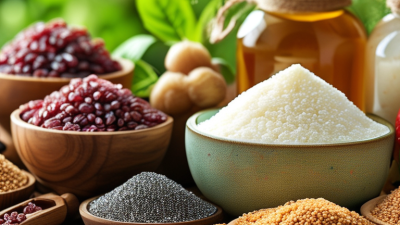
Top 10 Prebiotic Fiber Ingredients for Global Buyers?
In recent years, the demand for prebiotic fiber ingredients has surged. Consumers are becoming increasingly aware of the health benefits. These ingredients play a crucial role in digestive health, gut microbiota balance, and overall wellness.
Many global buyers are searching for effective prebiotic fiber ingredients to incorporate into their products. This trend reflects a broader movement towards clean labeling and functional foods. The variety of available ingredients can be overwhelming. Each offers unique advantages and sources.
Selecting the right prebiotic fiber ingredients requires expertise. Buyers need reliable data and options that fit their product goals. This guide will highlight the top ten prebiotic fiber ingredients for global buyers, focusing on their benefits and applications. Understanding these options is essential for making informed decisions in the growing health market.
Read more »
By:Lila
- August 19, 2026