Nutraceutical Knowledge & Trends
Discover expert insights, scientific advancements, and global supply chain trends in natural ingredient solutions.
Choosing the right Organic Vegetable Powders requires more than comparing color, price, and package size. Buyers must examine the vegetable source, processing method, moisture level, particle texture, and testing documentation. A bright green powder may look fresh, yet color alone cannot prove nutritional quality. Some products contain only one vegetable, while others include hidden carriers, salt, or flavoring ingredients.
This guide explores ten practical categories, including spinach, kale, broccoli, beetroot, carrot, pumpkin, tomato, celery, onion, and wheatgrass powders. Each type offers different purchasing considerations. Spinach powder may suit smoothie manufacturers, while beetroot powder often attracts sports nutrition brands. Carrot and pumpkin powders can bring natural color to soups, sauces, and bakery products. However, earthy aromas, uneven solubility, and occasional clumping can affect customer acceptance.
Dr. David Katz, a physician and nutrition expert, has said, “The best diet is the one you can stick to.” That principle also applies to powdered vegetables. A product must fit real production needs, not merely appear impressive on a specification sheet. Buyers should request certificates of analysis, allergen statements, origin details, and storage guidance. They should also check whether the powder retains its expected flavor after mixing.
No powder perfectly replaces fresh vegetables.
That limitation matters. Drying can improve shelf stability, but heat and oxygen may reduce some sensitive nutrients. The most reliable choice balances ingredient purity, verified quality, application performance, and transparent supplier communication. This overview is designed to help buyers make that decision with fewer assumptions and more practical evidence.
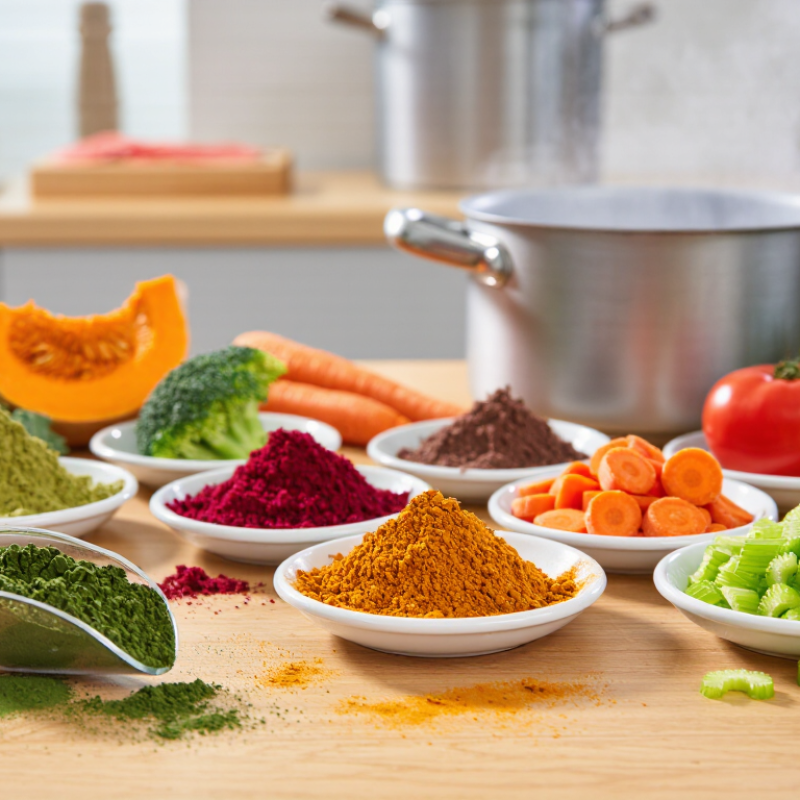
What Defines Organic Vegetable Powders and Their Benefits
Organic vegetable powders are made from vegetables grown and processed under recognized organic standards. These standards usually restrict synthetic pesticides, certain fertilizers, and genetically modified ingredients. However, requirements differ by country and certification system. Buyers should check the certification seal, ingredient list, and processing location rather than trust the word “organic” alone.
Common types include spinach, kale, beetroot, carrot, pumpkin, broccoli, tomato, celery, cabbage, and sweet potato powders. Each offers a different color, flavor, and nutrient profile. Powdered vegetables can simplify daily meal preparation. A small spoon can enrich soup, dough, smoothies, or sauces without washing and chopping fresh produce. They also store well when sealed against heat, light, and moisture.
The benefits need careful wording. Drying may preserve some minerals and plant compounds, but heat can reduce certain vitamins. Fiber levels also vary after grinding and filtering. A powder is not automatically equal to a full serving of fresh vegetables. Buyers should request laboratory results for moisture, microbes, heavy metals, and pesticide residues. Batch numbers and traceability matter. A useful practical check is simple: does the powder smell like the vegetable, or only like cardboard? Some products clump in humid kitchens. That is easy to overlook. Certified organic status supports production claims, but it does not guarantee perfect nutrition, superior taste, or responsible sourcing.
Top 10 Types of Organic Vegetable Powders for Buyers - What Defines Organic Vegetable Powders and Their Benefits
| Rank | Organic Vegetable Powder | Main Plant Part | Notable Nutritional Characteristics | Flavor and Color Profile | Common Buyer Applications | Key Organic Purchasing Checks |
|---|---|---|---|---|---|---|
| 1 | Spinach Powder | Leaves | Provides plant-based fiber and naturally occurring folate, vitamin K, carotenoids, and minerals such as iron and magnesium. Actual levels vary by processing and analysis. | Green color with a mild grassy and savory taste. | Green smoothies, soups, pasta, seasoning blends, sauces, and nutrition mixes. | Check leaf-to-powder ratio, color protection, moisture level, microbiological testing, and organic certification scope. |
| 2 | Kale Powder | Leaves | Naturally contains fiber, vitamin K, vitamin C, carotenoids, and other plant compounds associated with leafy vegetables. | Deep green with a distinct cabbage-like, slightly bitter taste. | Functional beverages, savory snacks, soups, sauces, bakery mixes, and vegetable blends. | Review bitterness, particle size, drying temperature, heavy-metal testing, and certificate validity. |
| 3 | Beetroot Powder | Root | Contains dietary fiber, folate, potassium, and naturally occurring betalain pigments. Nitrate content can vary with variety, soil, and processing. | Strong red to purple color with an earthy, mildly sweet flavor. | Smoothies, drink mixes, natural color systems, bakery products, sauces, and sports-oriented formulations. | Confirm color strength, nitrate specifications where relevant, moisture, pesticide screening, and packaging that limits light and humidity. |
| 4 | Carrot Powder | Root | A source of fiber and naturally occurring carotenoids, including beta-carotene, which the body can convert to vitamin A according to individual needs. | Orange to yellow-orange color with a sweet, earthy taste. | Beverages, soups, baby-food ingredients, bakery products, sauces, seasonings, and natural color applications. | Check carotenoid declaration, color consistency, sugar content, moisture, and absence of unauthorized carriers or additives. |
| 5 | Tomato Powder | Fruit | Provides fiber and naturally occurring lycopene, potassium, and other tomato carotenoids. Composition depends strongly on tomato variety and drying conditions. | Red color with a concentrated sweet, tangy, and savory taste. | Instant soups, sauces, spice blends, snack coatings, marinades, ready meals, and savory bakery products. | Verify whether the product is pure tomato, review acidity and moisture, and check for flow agents, allergens, and microbial controls. |
| 6 | Broccoli Powder | Florets and stems | Contains fiber, vitamin C, vitamin K, folate, and glucosinolate compounds naturally found in cruciferous vegetables. | Green color with a cabbage-like, mildly sulfurous flavor. | Vegetable drinks, soups, meal replacements, seasoning blends, sauces, and savory snack products. | Ask about the florets-to-stems ratio, glucosinolate testing if important, heat exposure, and microbial specifications. |
| 7 | Pumpkin Powder | Flesh | Offers fiber, potassium, and carotenoids, with a naturally sweet taste suitable for food formulations. | Yellow-orange color with a mild, sweet, and nutty flavor. | Baked goods, soups, baby-food recipes, drink mixes, desserts, sauces, and seasonal formulations. | Confirm flesh-only composition, water activity, sweetness profile, particle size, and protection from oxidation and moisture. |
| 8 | Sweet Potato Powder | Tuber | Provides carbohydrate, dietary fiber, potassium, and carotenoids in orange-fleshed varieties. Nutritional values differ by cultivar. | Cream, yellow, or orange color with a naturally sweet and starchy flavor. | Bakery mixes, baby foods, soups, noodles, snack products, thickening systems, and instant meal formulations. | Check cultivar, gelatinization behavior, moisture, bulk density, particle size, and whether the powder is made from cooked or raw material. |
| 9 | Celery Powder | Stalks and leaves | Contains fiber, potassium, vitamin K, and naturally occurring aromatic compounds. It is naturally low in calories when used in small amounts. | Pale to medium green with a strong, savory, and aromatic celery flavor. | Soup bases, savory seasoning blends, sauces, dressings, broths, and snack seasonings. | Clearly declare celery as an allergen where required, confirm sodium specifications, and review cross-contact and pesticide testing. |
| 10 | Cabbage Powder | Leaves | Provides dietary fiber, vitamin C, vitamin K, folate, and glucosinolate compounds naturally present in brassica vegetables. | Light green to cream color with a mild, slightly sulfurous taste. | Soup mixes, vegetable blends, savory snacks, sauces, instant meals, and seasoning products. | Check variety, odor profile, moisture, microbial limits, particle size, and protection against oxidation during storage. |
FAQS
It comes from vegetables grown and processed under recognized organic standards. These standards often restrict synthetic pesticides and certain fertilizers. Requirements differ by country. Check the certification seal, ingredient list, and processing location.
Common options include spinach, kale, beet, carrot, pumpkin, broccoli, tomato, celery, cabbage, and sweet potato. Each has a different color, aroma, texture, and nutrient profile.
Add a small spoon to soup, dough, smoothies, or sauces. They reduce washing and chopping. Some dissolve smoothly, while others leave visible sediment.
Not always. Drying may preserve minerals and some plant compounds. Heat can reduce certain vitamins. Fiber levels also change after grinding or filtering.
Request laboratory results for moisture, microbes, heavy metals, and pesticide residues. Check batch numbers and traceability. A fresh powder should smell like vegetables, not cardboard.
Ask for a valid certificate, certifier details, lot numbers, and current laboratory reports. Documents should match the intended market. Certification supports trust, but it cannot replace batch inspection.
They may be grouped as leafy, cruciferous, root, tuber, allium, squash, fruiting vegetable, legume, stem, or mixed powders. Some vegetables fit several groups. Classification is useful, but imperfect.
Keep them sealed away from heat, light, and moisture. Humid kitchens may cause clumping. A dry scoop and tightly closed container help. This small detail is easy to miss.
Request laboratory data per 100 grams, rather than vague claims. Reconstitute a sample with water. Check bitterness, sweetness, sediment, and aftertaste. A less vivid color may still indicate better handling.
Conclusion
Organic Vegetable Powders are made by carefully drying and milling organically grown vegetables into convenient, concentrated ingredients. This guide explains what makes these powders organic, including farming practices, processing expectations, and the potential benefits of adding vegetable-based nutrition to everyday meals. It also presents ten popular types, classified by their vegetable source, color, flavor profile, nutritional role, and common applications. These may include leafy greens, root vegetables, cruciferous vegetables, and naturally colorful varieties used in beverages, soups, sauces, baked goods, seasoning blends, and dietary formulations.
For buyers, product selection involves more than comparing price. Important factors include organic certification, ingredient purity, moisture control, particle consistency, nutritional information, flavor strength, color, and testing documentation. The guide also offers practical advice on choosing suitable powders for different uses, checking packaging details, storing products in cool and dry conditions, and purchasing quantities that match expected demand. By evaluating quality, traceability, usability, and supply reliability together, buyers can make informed decisions and select powders that meet both performance and ingredient standards.