Industry Insights & Research

Nutraceutical Knowledge & Trends

Discover expert insights, scientific advancements, and global supply chain trends in natural ingredient solutions.

0%

In recent years, the demand for prebiotic fiber ingredients has surged. Consumers are becoming increasingly aware of the health benefits. These ingredients play a crucial role in digestive health, gut microbiota balance, and overall wellness.

Many global buyers are searching for effective prebiotic fiber ingredients to incorporate into their products. This trend reflects a broader movement towards clean labeling and functional foods. The variety of available ingredients can be overwhelming. Each offers unique advantages and sources.

Selecting the right prebiotic fiber ingredients requires expertise. Buyers need reliable data and options that fit their product goals. This guide will highlight the top ten prebiotic fiber ingredients for global buyers, focusing on their benefits and applications. Understanding these options is essential for making informed decisions in the growing health market.
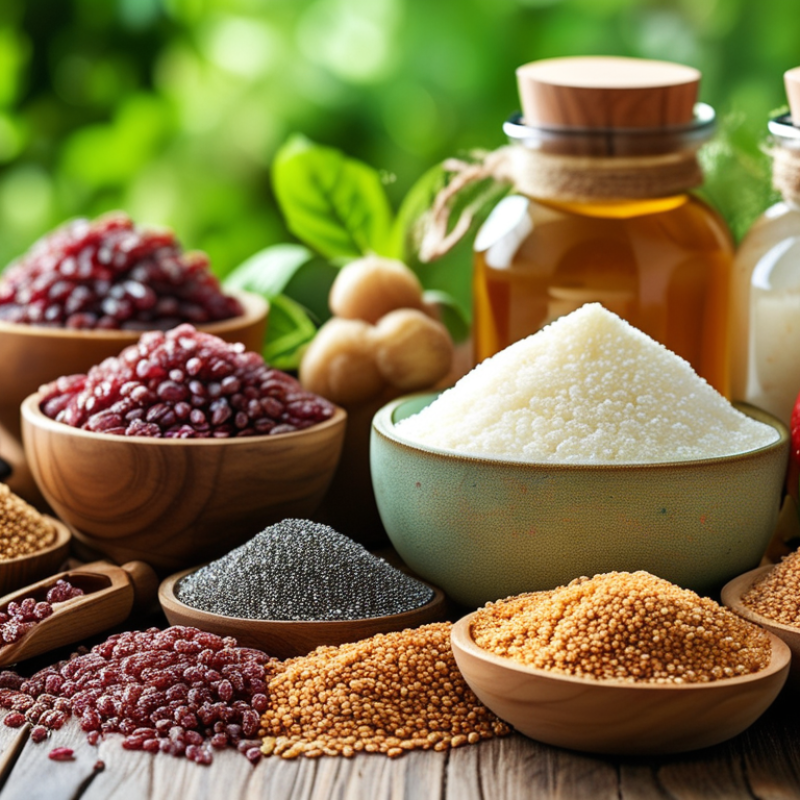
Top 10 Prebiotic Fiber Ingredients for Global Buyers?

Overview of Prebiotic Fiber and Its Importance in Nutrition

Prebiotic fibers are vital for gut health and overall well-being. They serve as food for beneficial gut bacteria, promoting a balanced microbiome. These fibers enhance digestion, improve nutrient absorption, and boost immunity. Including prebiotic fibers in your diet can lead to significant health improvements.

Tips: Keep a varied diet. Include fruits, vegetables, and whole grains. These foods naturally contain prebiotic fibers. Experiment with different sources for best results. Remember, not all fibers are created equal. Some may cause digestive discomfort. Pay attention to how your body reacts.

Learning about prebiotic fibers can be overwhelming. There is a myriad of options available. It's essential to focus on whole foods rather than supplements. Although supplements can help, they often lack the full benefits of natural sources. Feeling lost is okay; start small. Gradually add one or two prebiotic-rich foods to your meals. Over time, you can expand your intake.

Criteria for Selecting High-Quality Prebiotic Fiber Ingredients

When selecting high-quality prebiotic fiber ingredients, transparency is key. Look for suppliers who provide detailed information about sourcing and processing. Certifications can also indicate quality, but ensure they are reputable and recognized in the industry. An ingredient's origin can affect its efficacy, so traceability matters.

Consider the type of prebiotic fiber. There are several options, such as inulin and resistant starch. Each type supports gut health differently. Understanding these nuances is vital for making informed decisions. Additionally, the ingredient should have clinical backing, demonstrating its benefits for digestive health.

It's essential to assess manufacturing practices. High-quality ingredients come from facilities that adhere to good manufacturing practices. This reduces the risk of contamination and ensures the ingredient's potency. Ultimately, high-quality prebiotic fibers not only improve gut health but also contribute to overall wellness.

Top 10 Prebiotic Fiber Ingredients: Features and Benefits

Prebiotic fibers play a crucial role in gut health and overall well-being. They serve as food for beneficial gut bacteria, promoting a balanced microbiome. According to a report by Grand View Research, the global prebiotic fibers market is expected to reach USD 7.5 billion by 2025. This growth highlights the increasing demand and awareness of the benefits of prebiotic ingredients.

Key prebiotic fibers like inulin and oligosaccharides have unique features. Inulin, for example, has a high fiber content and is known for enhancing calcium absorption. Its solubility in water makes it ideal for bars and beverages. Oligosaccharides, on the other hand, support the growth of specific beneficial strains, contributing to improved digestive health. A study published in the Journal of Nutritional Science found that diets enriched with prebiotic fibers can lead to a 25% increase in beneficial bacteria.

While prebiotic fibers offer significant benefits, some individuals may experience digestive discomfort when consuming them. This reaction often depends on the amount and type of fiber ingested. It is essential for consumers and manufacturers to consider these factors in product development. Balancing benefits with potential drawbacks can create more effective formulations tailored to individual needs.

Top 10 Prebiotic Fiber Ingredients: Features and Benefits

Ingredient Source Health Benefits Recommended Daily Intake
Inulin Chicory Root Promotes gut health, aids digestion 5-10 g
Oligofructose Beetroot Supports weight management, lowers cholesterol 5-10 g
Psyllium Husk Plantago ovata Lowers blood sugar, improves bowel regularity 5-20 g
Guar Gum Guar Beans Aids digestion, promotes satiety 10-15 g
Acacia Fiber Acacia tree Improves gut flora, controls appetite 5-10 g
Beta-Glucan Oats, Barley Improves heart health, lowers cholesterol 3 g
Corn Fiber Corn Prevents constipation, supports gut health 10 g
Lactulose Synthetic Helps with constipation, improves digestion 15-30 g
Resistant Starch Legumes, Unripe Bananas Supports weight loss, enhances insulin sensitivity 5-10 g

Applications of Prebiotic Fibers in Food and Supplement Industry

Prebiotic fibers play a crucial role in the food and supplement industry. These fibers enhance gut health, contributing to a balanced microbiome. According to a recent report by the International Probiotics Association, prebiotics can improve digestive wellness in 75% of individuals. Incorporating ingredients like inulin or oligosaccharides into products allows consumers to reap these benefits.

Many applications of prebiotic fibers exist, especially in functional foods. For instance, they can be found in yogurts, cereals, and dietary supplements. The global prebiotic fiber market is projected to reach $7.8 billion by 2025, showcasing their rising popularity. Consumers are increasingly aware of gut health. They seek products that support digestion and immunity.

Despite the benefits, challenges remain. Not all prebiotic fibers offer the same health effects; variability in individual responses can be significant. Some consumers may experience gastrointestinal discomfort from high fiber intake. Education on proper dosage and selection of specific fibers is essential for maximizing benefits. Addressing these concerns can help manufacturers develop more effective products.

Top 10 Prebiotic Fiber Ingredients for Global Buyers

Trends and Market Insights for Prebiotic Fiber Ingredients Worldwide

The demand for prebiotic fiber ingredients is rapidly increasing worldwide. Consumers are becoming more aware of the health benefits these ingredients offer. They support gut health, enhance digestion, and boost the immune system. These fibers are naturally found in various sources such as fruits, vegetables, and whole grains. However, sourcing high-quality prebiotic ingredients can be a challenge for global buyers.

Market trends indicate a shift toward plant-based sources of prebiotics. Many manufacturers now focus on sustainable options that align with consumer preferences. The rise in veganism and plant-based diets fuels this demand. Ingredients derived from chicory root, acacia gum, and inulin are gaining traction. However, not every ingredient meets the quality standards. Buyers need to be vigilant to ensure they choose products that offer real benefits.

Research indicates that the growth of prebiotic fiber products will continue. This could lead to an increase in competition among suppliers. With so many options, buyers may feel overwhelmed. They should seek reliable suppliers who can provide documentation and transparency. Understanding the supply chain and ingredient sourcing is essential. It helps in building trust and ensuring that the product meets regulatory standards.

FAQS

: What are prebiotic fibers?

: Prebiotic fibers are types of dietary fiber that nourish beneficial gut bacteria. They are crucial for gut health.

Why are prebiotic fibers important?

They enhance digestion, improve nutrient absorption, and boost immunity. This leads to better overall well-being.

How can I include prebiotic fibers in my diet?

Eat a variety of fruits, vegetables, and whole grains. These foods naturally contain prebiotic fibers.

Can all fiber types provide the same benefits?

No, some fibers may cause digestive discomfort. It's essential to see how your body reacts to different fibers.

Is it better to consume prebiotic fibers from food or supplements?

Whole foods are recommended over supplements. They offer more health benefits and are less likely to cause issues.

What should I do if I feel overwhelmed by prebiotic options?

Start small by adding one or two new prebiotic-rich foods to your meals. Gradually increase your intake.

What trends are shaping the prebiotic fiber market?

There is a growing demand for plant-based sources of prebiotics. Sustainable options are becoming more popular among consumers.

What should I consider when sourcing prebiotic ingredients?

Look for reliable suppliers with quality documentation. It's important to ensure that products meet safety and regulatory standards.

How does veganism affect the demand for prebiotic fibers?

The rise in veganism fuels the demand for plant-based prebiotic sources, creating more choices on the market.

Why is transparency in the supply chain important?

Understanding the supply chain builds trust and ensures the ingredients are high-quality and beneficial.

Conclusion

Prebiotic Fiber Ingredients play a crucial role in enhancing gut health and overall nutrition. This article provides an overview of the significance of prebiotic fibers, explaining their impact on digestive wellness and their function in supporting beneficial gut microbiota. It emphasizes the importance of selecting high-quality prebiotic fiber ingredients based on specific criteria, such as solubility, fermentation rate, and origins.

Furthermore, the article lists the top 10 prebiotic fiber ingredients, detailing their unique features and benefits, which can be leveraged in food products and dietary supplements. It also explores the diverse applications of these fibers in the food and supplement industry, as well as current trends and market insights, highlighting the growing demand for prebiotic fiber ingredients globally. This comprehensive summary serves as a valuable resource for buyers seeking to enhance their product offerings with effective prebiotic solutions.

Lila

Lila

Lila is a dedicated marketing professional with a deep expertise in our company's wide range of offerings. With a strong background in strategy and communication, she consistently crafts well-researched articles for our professional blog, ensuring that readers stay informed about the latest......